Memory reels
Ambient // Collage // VisualAll those documented moments are stored in all these phone memories, never to be looked at again. In the Memory Reels project these once treasured, but never reviewed personal micro-events on the smartphone are excavated to create randomized memory reels.
Still from Memory Reel #1 A Second Staging New release: Intervention at august 8th, 2026
Ambient // ExperimentalWith Westerkamp. The whole piece was made with the use of long interlocking loops fading in and out. It can be listened/purchased here.
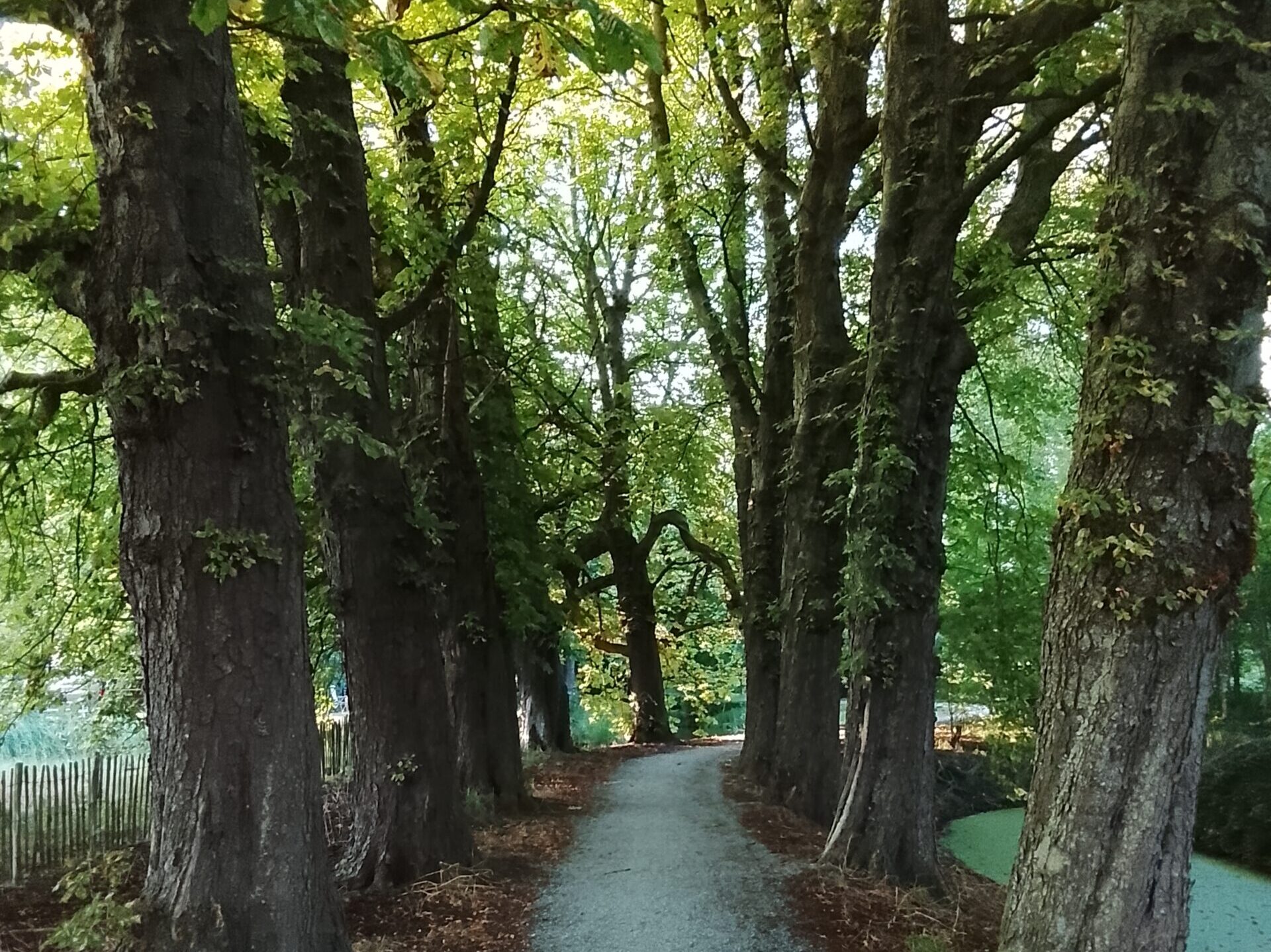
Martenastate garden, Cornjum, Netherlands Transmission 16
Collage // Experimental // Improvisation0:00 0:00This is the sixteenth in a series of electronic improvisations. [37:16]

Le Conte Cruel (1930) ost
Collage // Experimental // OST0:00 0:00Alt. soundtrack! [47:46]
(more…)
Le Conte Cruel is a 34-minute French avant-garde silent film released in 1930. It is the sole directorial effort of prominent French actor Gaston Modot, who also starred in Luis Buñuel’s surrealist classic L’Age d’Or. Here it is with a new soundtrack.
Startwindow
Collage // ExperimentalThe Startwindow track is a combination of treated fieldrecordings and looped piano-samples. Here with visuals. [12:37]

From "Information graphics". Peter Cmokrak. The luxury of protest. 2010. Akkumulation
Collage // Dub // ExperimentalGlitch dub (if that is actually a thing). Here with visuals.[07:17]
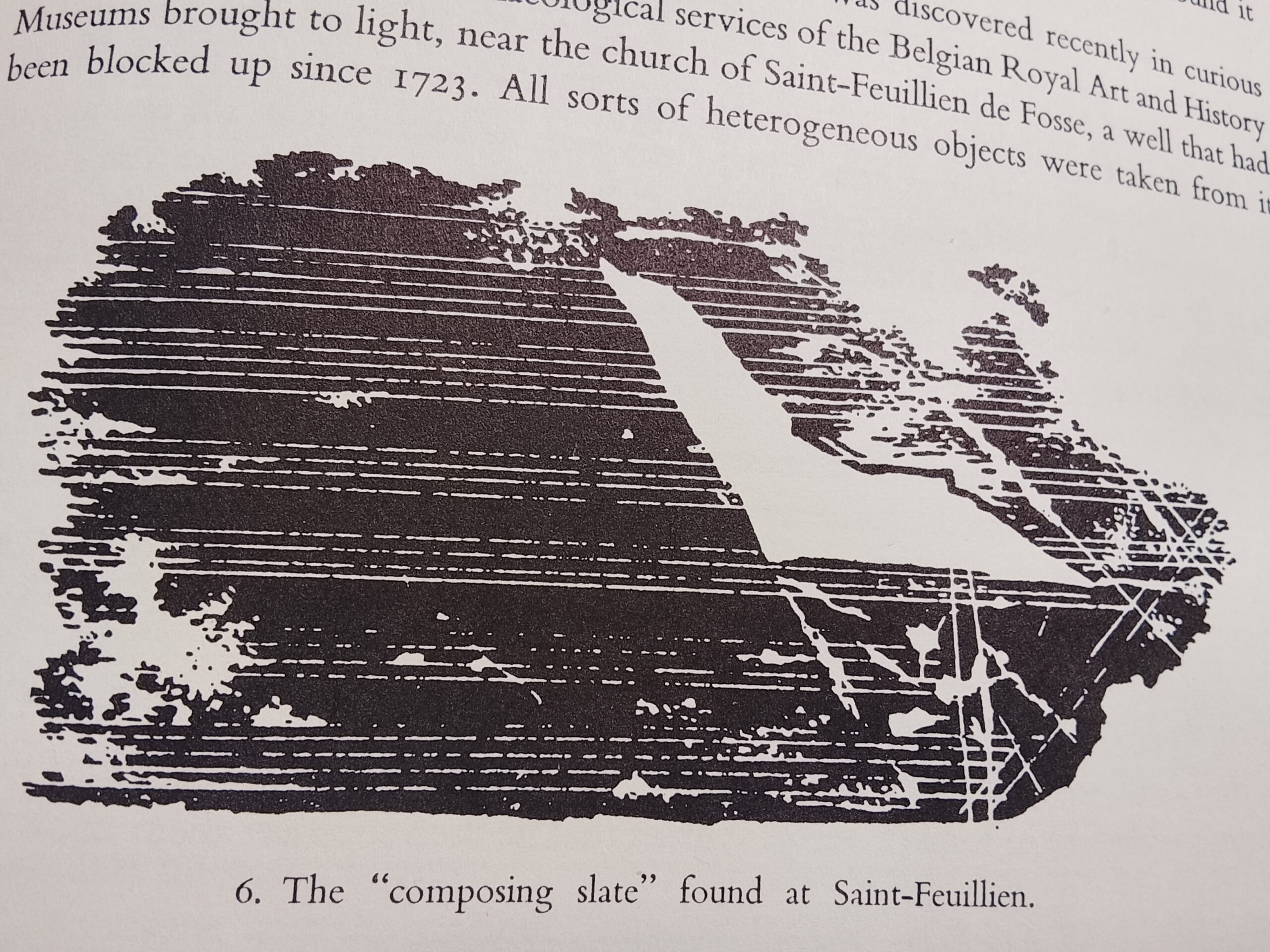
Composition slate, found at Saint Feuillien de Fosse Transmission 15 (Cracks and Corrosion II)
Collage // Experimental // Improvisation0:00 0:00This is the fifteenth in a series of electronic improvisations. Composer Örjan Sandred created this play-along Max-patch for electronics and guitar. Here if you need visuals. This is the result of the combination of this patch with modular synth. [47:44]
Örjan Sandred Transmission 14
Collage // Experimental // Improvisation0:00 0:00This is the fourteenth in a series of electronic improvisations. [46:04]

All we are doing
Ambient // Collage // Experimental // VisualThe loops on this track are played back on a reel-to-reel tapemachine. The visuals are an interpretation of the Reaction-Diffusion system: a simulation of two virtual chemicals, encased in a mathematical formula. The combined end-result can be seen and heard here. [05:12]

Still from visual Pressurized (New release)
Ambient // Experimental // ImprovisationThe ten tracks on this album were recorded between march 2026 and may 2026 as part of this ongoing music & sound journal. It can be listened and/or purchased here.

"Pressurized" cover detail The Bugarach Phenomenon 125
Dub // Techno // VisualAnd here with visuals. [06:58]
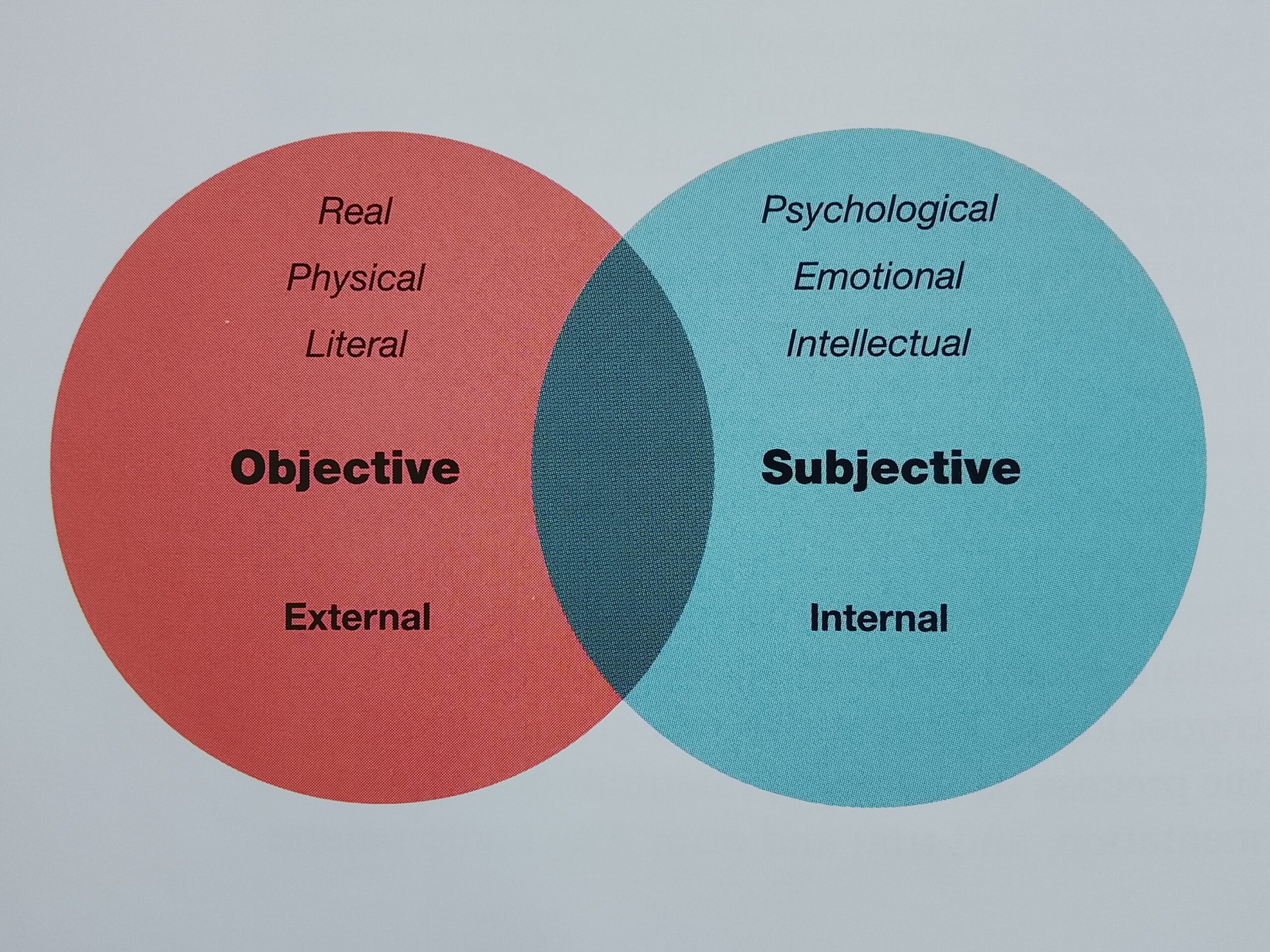
Perspectives on sound (from "Sound design for moving image" K. Scott-James) Isenheim
Collage // Experimental // VisualSix weeks into Puredata (Pd), and things start to fall
apartinto place. Visuals with Max SMP. [08:39]
Still from visual The Sloth 120
Dub // Techno // VisualMinimalistic rhythmic ditty. Here with visuals.[04:57]

Still from visual Substance 120
Dub // Techno // VisualThere was some discussion with a YT bot about this track being classified as ‘dub techno’. Offcourse the bot was wrong. Here with visuals. [08:00]

Still from visual Painted Ocean 120
Dub // TechnoHaving up-beat fun with the sampler and Max SMP. Bring out the flip-flops and the decanter with ice-cold rosé wine! Here with the visuals. [05:59]

Still from visual Walpurgis 120
Dub // TechnoCreating a trance-inducing minimalist pocket where even the smallest sonic shift carries weight. Here with visual.[08:48]

Still from visual Recalling
Ambient // Collage // VisualIn the visuals for this track “Rule 30” by Stephen Wolfram was implemented, which is an elementary cellular automaton. It produces complex, seemingly random patterns from simple, well-defined rules. [17:14]

Still from visual Mealstrom
Dub // Experimental // VisualThe “without great result” method is applied here to let the probability decide what and how, while postponing an opinion on the quality or musicality of what is actually heard and recorded. Here with visuals. [04:21]

Still from visual
